Transform Your Ride: Discovering the Top Vinyl Options for Stunning Car Wraps
Auto wraps have grown in popularity for vehicle customization, offering both style and protection. Given the wide range of vinyl options, each suited for different surfaces and budgets, the selection process can be challenging. Grasping the differences between various finishes and materials is critical for reaching the ideal aesthetic. As the topic develops, it is evident that the proper selection significantly affects both appearance and longevity. What factors should one consider when selecting the perfect wrap?
Why Are Car Wraps Better Than Paint Jobs?
Vehicle wraps provide numerous benefits compared to conventional paint applications, establishing them as a sought-after option amongst automobile enthusiasts. One primary benefit is the ease of application and removal. As opposed to conventional paint, which requires extensive preparation and drying time, wraps can be fitted in a fraction of the time, facilitating a fast and impressive change in appearance. Furthermore, automotive wraps form a defensive coating over the vehicle's original paint, guarding it from surface scratches, ultraviolet exposure, and environmental hazards.
A key advantage worth noting is cost-effectiveness; vehicle wraps are generally more affordable than a complete paint job while providing a distinctive appearance. They additionally provide exceptional design versatility, giving owners the freedom to pick from a wide variety of colors and designs without the permanence associated with traditional paint. In addition, wraps can be effortlessly updated, allowing for fresh updates without significant investment. Collectively, these advantages drive the rising demand for vehicle wraps among those seeking an aesthetic upgrade and protection for their vehicles.
What Are the Different Types of Vinyl for Car Wraps?
When considering options for vehicle wraps, being aware of the various vinyl options available is vital for achieving the desired look and performance. The most common vinyl options for vehicle wraps include specialty vinyl, cast vinyl, and calendered vinyl.
Cast vinyl is well known for its durability and conformability, making it ideal for challenging surfaces and lasting installations. Calendered vinyl, on the other hand, presents a more affordable solution though it lacks the same flexibility, making it better suited for flat surfaces.
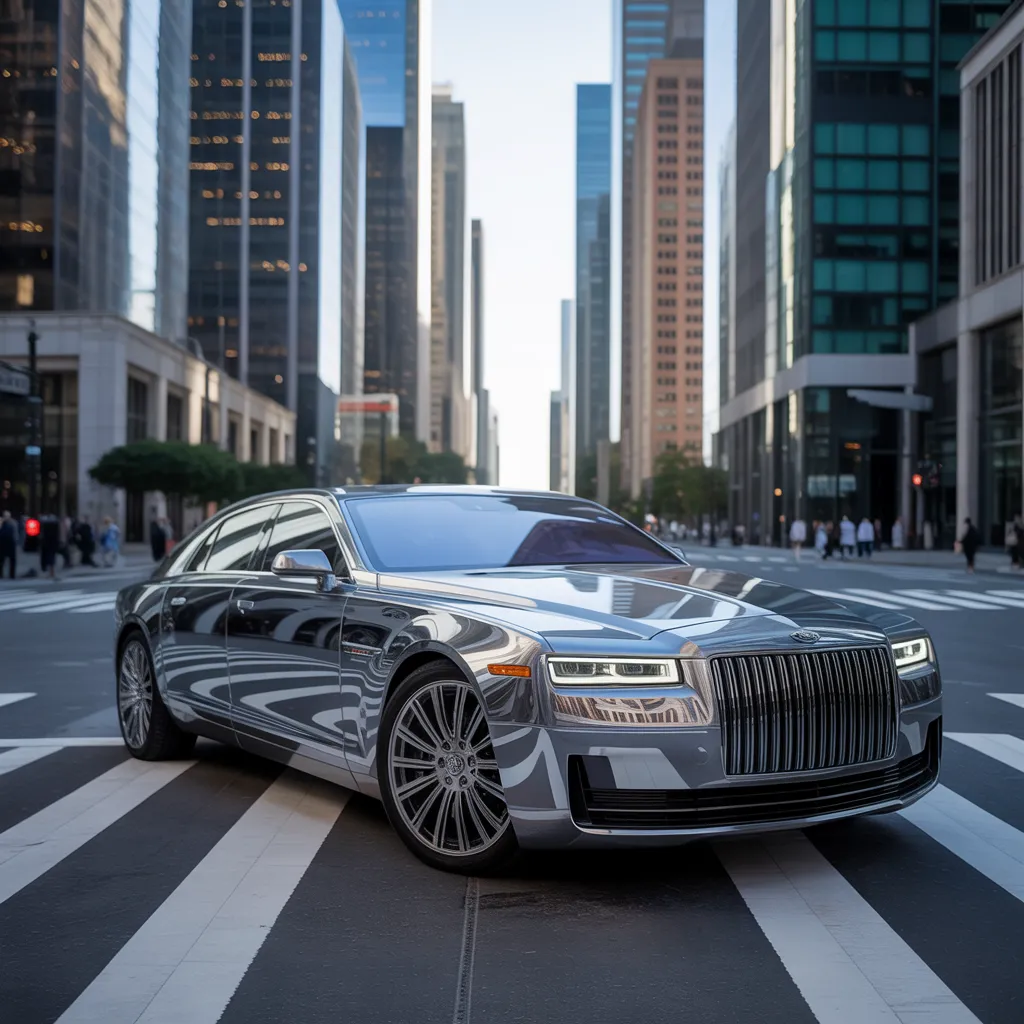
Special vinyl varieties feature metallic, reflective, and carbon fiber textures, providing exceptional styles that elevate a vehicle's overall look. Every vinyl variety carries its own unique properties, such as durability, thickness, and installation methods. Selecting the right vinyl is essential for ensuring the best results that suit personal taste and the demands of the vehicle.
Matte vs. Glossy: Which Finish Matches Your Style?
How does someone decide between matte and glossy finishes for a vehicle wrap? The choice frequently depends on personal style and the desired impact. Glossy finishes are known for their striking, vivid visual appeal, intensifying colors and delivering a smooth, refined aesthetic. They are perfect for anyone looking for a brilliant, head-turning finish that highlights the vehicle's contours.
Conversely, matte finishes offer a subtler, modern appeal. They provide a one-of-a-kind texture that can lend vehicles a distinguished edge while reducing reflections and glare. This surface treatment can often communicate a greater understated elegance, drawing in those who seek a unique yet polished look.
Ultimately, the choice between glossy and matte is a matter of individual taste, with each finish offering its unique advantages and visual characteristics, enabling car owners to showcase their individuality through their vehicle wraps.
How Long Will Your Vinyl Wrap Last?
What considerations impact the lifespan of a vinyl wrap? The lifespan of a vinyl wrap typically ranges from three to seven years, depending on various conditions. The quality of the vinyl is a key factor; higher-grade materials tend to last longer than budget options. Environmental conditions play a notable role; ultraviolet radiation, temperature fluctuations, and inclement weather can hasten fading and wear. Professional installation matters greatly; inadequately applied wraps are prone to peeling or bubbling, which diminishes their durability. Routine upkeep, such as careful cleaning and steering clear of harsh chemicals, can help prolong the wrap's longevity. Additionally, the wrap's placement on the vehicle affects durability; sections exposed to more friction or road debris may deteriorate faster. Ultimately, understanding these influences allows vehicle owners to make informed decisions, ensuring their investment in a vinyl wrap remains get going vibrant and intact for as long as possible.
What Vinyl Thickness Should You Select for Your Car Wrap?
Selecting the ideal thickness of vinyl for a car wrap is crucial for achieving both aesthetic quality and longevity. Typically, a thickness measurement of 2 to 4 mils is recommended, as it balances flexibility and durability. Thicker vinyl tends to improve longevity but might also create difficulties regarding flexibility and installation.
Recommended Thickness Range
When picking vinyl for a car wrap, grasping the perfect thickness range is key to achieving superior results. Commonly, vinyl thickness spans from 2 mils (0.002 inches) to 6 mils (0.006 inches). Thinner vinyl, around 2 to 3 mils, offers flexibility, making it easier to conform to curves and contours. That said, it might be more susceptible to wear and tear. Conversely, thicker vinyl, around 4 to 6 mils, delivers greater durability and a more enduring visual appeal. This combination of flexibility and durability is critical for achieving optimal application and longevity. Ultimately, the thickness chosen should correspond to the particular requirements of the vehicle and the intended aesthetic outcome, ensuring that both performance and visual appeal are maximized.
Effect on Durability
Durability serves a critical function in selecting the right thickness of vinyl for car wraps. Thicker vinyl, typically ranging from 2 to 6 mils, provides superior protection against wear, tearing, and environmental conditions. This increased thickness helps protect the vehicle's surface from scratches, UV damage, and weather-related deterioration. That said, although thicker vinyl offers greater durability, it can be less pliable, making application more challenging, particularly on curved areas. On the other hand, thinner vinyl may be simpler to work with but could demand more frequent replacement as a result of wear and tear. In the end, the optimal thickness strikes a balance between durability and ease of installation, guaranteeing that the car wrap looks impressive while lasting for years and preserving its aesthetic and protective properties.
How to Plan Your Car Wrap Budget
When planning a budget for a car wrap, it is essential to establish the full cost of the wrap material. Furthermore, the cost of installation should be taken into account, as they can considerably affect the total cost. A clear understanding of these components will aid in creating a practical budget.
Calculate Total Wrap Cost
Planning a budget for a car wrap requires careful consideration of multiple elements that affect the total cost. The primary component is the vinyl material chosen, which differs in cost depending on the quality and type of finish. Additionally, the size and type of vehicle are important considerations; vehicles that are larger or have intricate shapes generally result in increased pricing. Clients should factor in essential preparation steps, such as cleaning or repairing the underlying surface, which can add to the overall expense. Creating a budget is crucial that accounts for these factors while accommodating unforeseen expenses. By considering these components, vehicle owners can establish a sound financial strategy for their car wrap project.
Factor In Installation Fees
Installation charges are an important consideration in the full price of a car wrap and must not be ignored when planning your budget. Such costs can differ greatly based on the difficulty of the installation process, the expertise of the installer, and the vehicle's dimensions. Generally, professional installation guarantees a superior outcome, lowering the likelihood of bubbles or misalignment.
To manage costs efficiently, it is advisable for car owners to obtain quotes from multiple installers, assessing offerings and professional experience. Some may offer package deals that cover both supplies and labor, which can deliver improved cost efficiency. Budgeting for these costs in advance will help avoid surprises and ensure a seamless, professional wrap installation.
Essential Tips for Keeping Your Car Vinyl Wrap in Top Condition
Caring for a car vinyl wrap is vital for protecting its striking appearance and extending its lifespan. Frequent washing is necessary; employing a soft sponge or cloth with gentle soap helps clear away dust and pollutants without harming the vinyl. It is recommended to stay away from automatic car washes with brushes, as they can harm the surface.
Moreover, using a sealant for protection can enhance UV ray resistance and overall durability. Using a car cover or parking in shaded areas can also prevent fading and damage from sunlight.
It is essential to tackle any scratches or tears quickly to prevent moisture from seeping underneath the wrap, which can result in peeling. Furthermore, routine checks for any signs of wear can help identify problems early on, ensuring the wrap remains in excellent condition. By implementing these recommendations, car owners can take full advantage of the aesthetic appeal of their vinyl wraps for a long time.
Common Questions and Answers
Should I Wrap My Car Myself, or Is It Better to Hire a Professional?
DIY car wrapping is achievable but demands skill and patience. Hiring a professional guarantees a flawless finish, as they possess experience and tools that can greatly reduce mistakes and enhance the overall appearance.
In What Ways Do Weather Conditions Impact the Longevity of Car Wraps?
Weather plays a significant role in car wrap durability. High heat, moisture, and sun exposure can contribute to color fading, material peeling, or bubble formation. Professional installation and consistent care are necessary for longevity in varying environmental conditions.
Are There Color Restrictions When It Comes to Car Wraps?
Color constraints for car wraps stem primarily from the range of available vinyl shades and textures. Even though most colors are readily accessible, particular custom tones might necessitate special orders, potentially driving up costs and delivery times for buyers.
Will a Car Wrap Affect My Vehicle's Resale Value?
Vehicle wraps can positively or negatively influence a vehicle's resale value. A high-quality wrap may attract buyers seeking customization, but substandard application or deterioration can deter potential purchasers, diminishing the car's overall attractiveness and selling potential.
Can I Remove a Vinyl Wrap Without Damaging the Paint Underneath?
Indeed, a vinyl wrap can generally be removed without damaging the base paint, provided it was properly applied and the paint is in excellent condition. Proper methods and equipment can also minimize any potential damage during extraction.